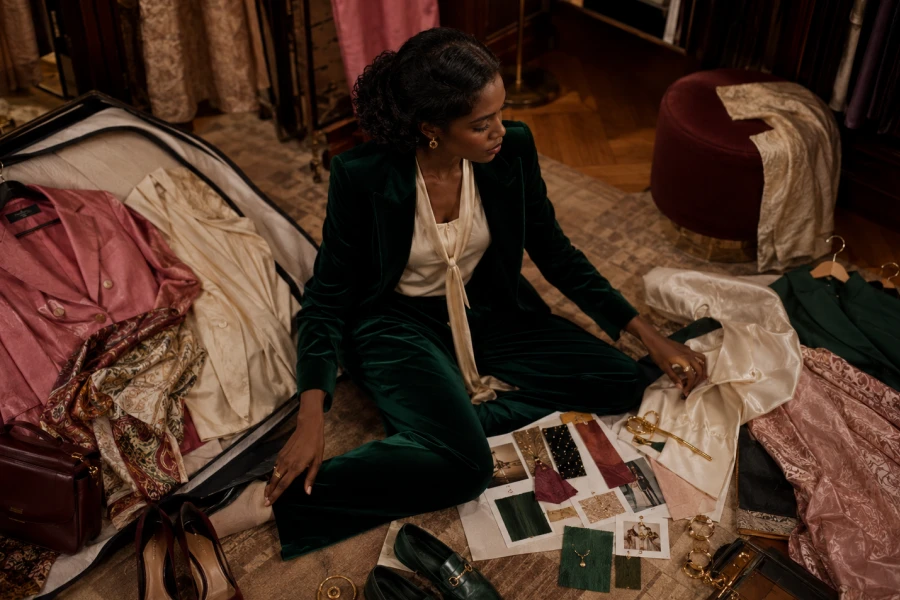
Personal style identity becomes clear when trend fatigue sets in. You may own attractive clothes and still feel disconnected from them. You may follow styling advice and still feel unlike yourself. That gap is important. It shows that looking current is not the same as feeling aligned. True style begins with recognition. It asks what you repeat, what you avoid, and what makes you stand taller. Your wardrobe should support your personality, not disguise it. When personal style identity becomes the goal, shopping becomes more thoughtful. Dressing begins to feel like expression instead of performance.
The outfits you love most are rarely accidental. They usually share a hidden logic. Maybe they use clean lines, soft textures, romantic details, or structured denim. Maybe they feel relaxed but never careless. These repeated choices reveal your style language. A closet confidence resource can help you name that language. Once you see the pattern, decisions become easier. You stop forcing clothes to work. You start choosing pieces that already belong.
A beautiful wardrobe still fails when it ignores daily life. Your clothes need to match your schedule. They need to support commuting, work, errands, travel, evenings, and rest. Style should not require constant effort. It should make ordinary days feel more intentional. This is where practicality becomes stylish. Comfortable shoes, reliable layers, and repeatable formulas matter. They create freedom. You can still look distinctive. You simply stop building outfits around imaginary routines.
Trends can refresh a wardrobe. They can also create noise. The problem starts when every new idea feels urgent. Suddenly, your closet fills with pieces that compete instead of cooperate. A style discovery planner helps slow that reaction. You learn to ask better questions before buying. Does this suit my proportions. Does it match my favorite outfits. Will I wear it beyond one season. Clear answers prevent clutter.
Fit often reveals identity faster than labels do. Some people feel strongest in relaxed shapes. Others prefer precision, waist definition, or dramatic length. Color adds another layer. It can make your wardrobe feel grounded, playful, polished, or expressive. Details complete the message. Buttons, shoes, jewelry, bags, and fabric texture all matter. They may seem small. Yet they decide whether an outfit feels generic or personal. When these pieces work together, style becomes easier to repeat.
A useful closet audit begins with feeling, not rules. Pull out the outfits that make you feel most yourself. Study them carefully. Notice the neckline, fabric weight, color depth, shoe style, and accessories. Then compare them with items you rarely wear. The contrast will teach you quickly. A wardrobe alignment method makes this review more objective. You are not judging your past purchases. You are learning from them. That mindset makes editing easier.
Impulse buys usually promise transformation. Strong style grows through consistency instead. Before purchasing, imagine three outfits using the new piece. Consider whether it works with your favorite shoes and outerwear. Check whether it supports your preferred mood. Wait before buying trend-driven items. This pause creates clarity. It also builds trust in your taste. Over time, fewer pieces enter your closet. The pieces that do enter work harder. Your wardrobe becomes smaller, sharper, and more expressive.


Leave a comment