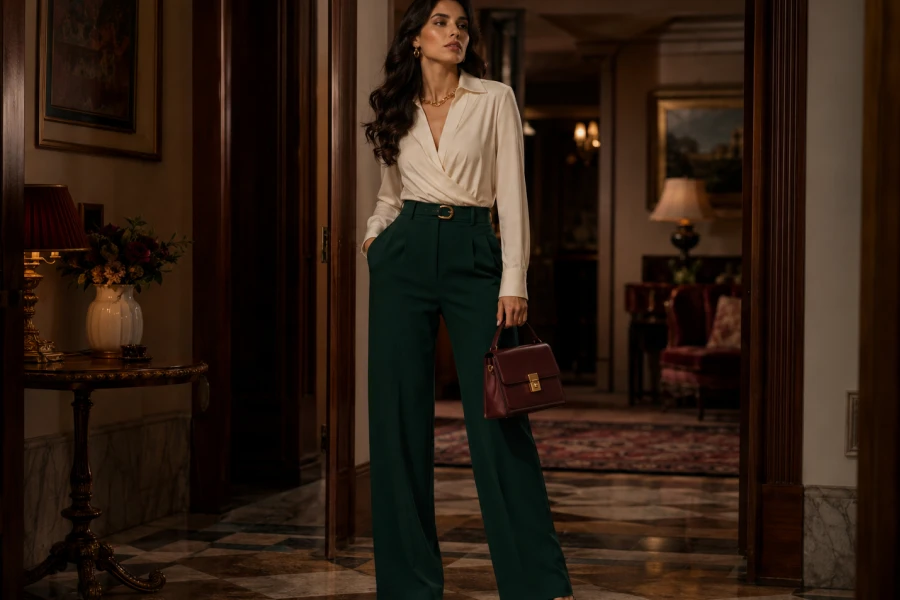
Fashion balance is the reason some outfits feel effortless while others feel slightly off. The clothes may be beautiful, but the proportions, colors, textures, or focal points may not cooperate. Balance helps each element support the next. It gives an outfit rhythm. It also prevents visual overload. A strong look usually has contrast, but that contrast needs control. Fashion balance does not remove personality. It organizes personality so the final result feels clear. Once you understand this principle, dressing becomes less mysterious. You begin to see why certain combinations work immediately.
Proportion shapes the first impression. A wide trouser may need a neater top. A voluminous sweater may need a sleeker bottom. A short jacket can lengthen the leg. A long coat can create drama. These choices guide the eye. A style proportion resource helps explain those visual relationships. You do not need perfect rules. You need awareness. When proportions feel intentional, even simple outfits look stronger. Shape creates the frame for everything else.
Every outfit benefits from a focal point. It might be color, texture, jewelry, shoes, or silhouette. Problems happen when every element competes. A bright bag, bold necklace, dramatic sleeves, and patterned shoes can all be beautiful alone. Together, they may feel noisy. Choose the feature you want noticed first. Let other pieces support it. This creates confidence. It also makes styling easier. The eye knows where to land.
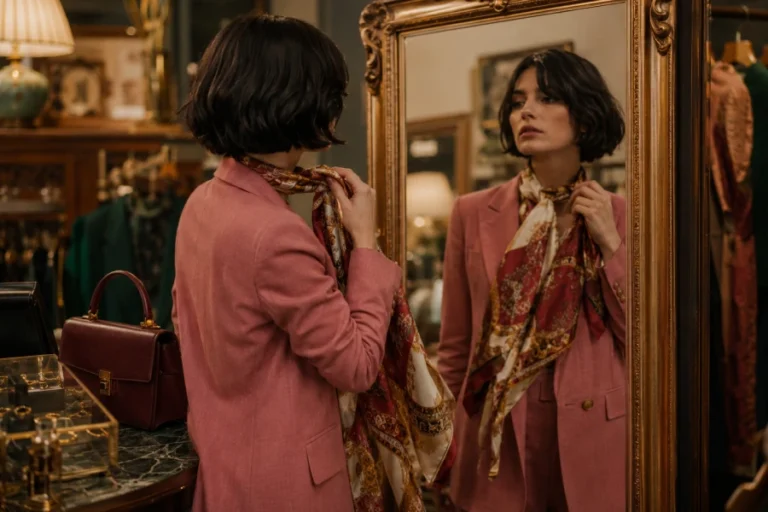
Color controls mood quickly. Soft neutrals feel calm. Deep tones feel grounded. Bright accents feel energetic. Too many unrelated colors can make an outfit feel scattered. Limiting the palette often creates sophistication. A color styling framework can help organize these choices. Repeat one color in two places. Use contrast where you want emphasis. Keep surrounding tones quieter. This turns color into strategy instead of guesswork.
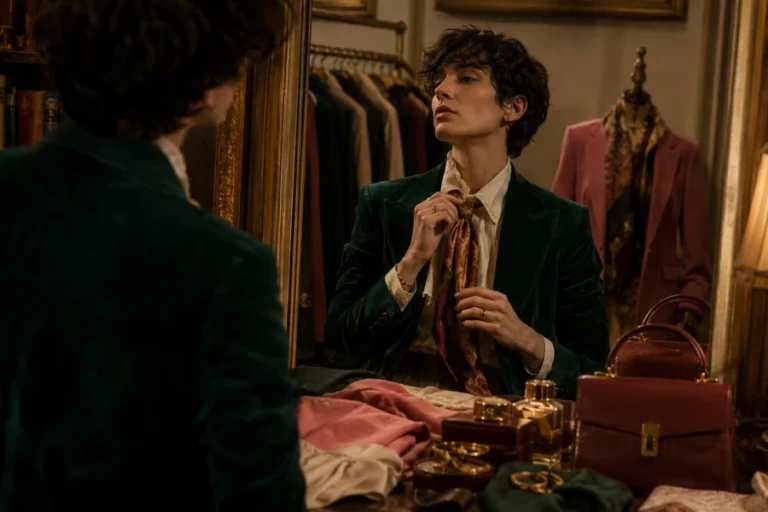
Texture gives clothing depth. Silk, denim, wool, leather, cotton, and knitwear all communicate differently. The best outfits often combine textures with intention. A soft knit can relax polished trousers. Crisp cotton can sharpen relaxed denim. Leather can ground delicate fabrics. Weight matters too. Heavy pieces need lighter companions. Light pieces may need structure. This relationship keeps outfits from feeling flat. Texture brings interest without requiring loud color.
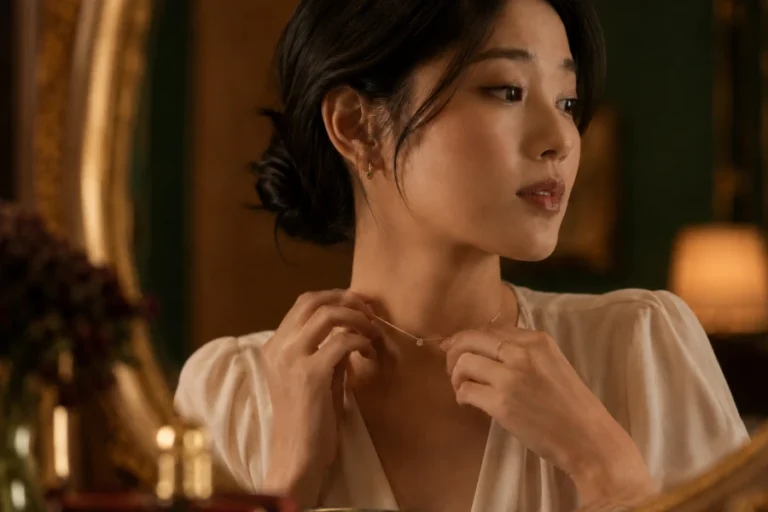
Accessories should complete the message. They should not confuse it. A strong earring can replace a necklace. A statement belt can make other jewelry quieter. A bold shoe may need a simpler bag. A wardrobe balance method helps decide what to add and what to remove. Before leaving, check the outfit as a whole. Ask what feels necessary. Ask what feels distracting. Editing is often the final styling step.
Practice trains your eye. Take photos of outfits you like. Compare them with outfits that feel unfinished. Notice what changed. Maybe the shoe was too heavy. Maybe the neckline needed earrings. Maybe the color contrast was too sharp. These observations build instinct. Over time, you will adjust faster. You will shop better. You will trust your choices more. The result is style that feels intentional, polished, and personal.

Leave a comment