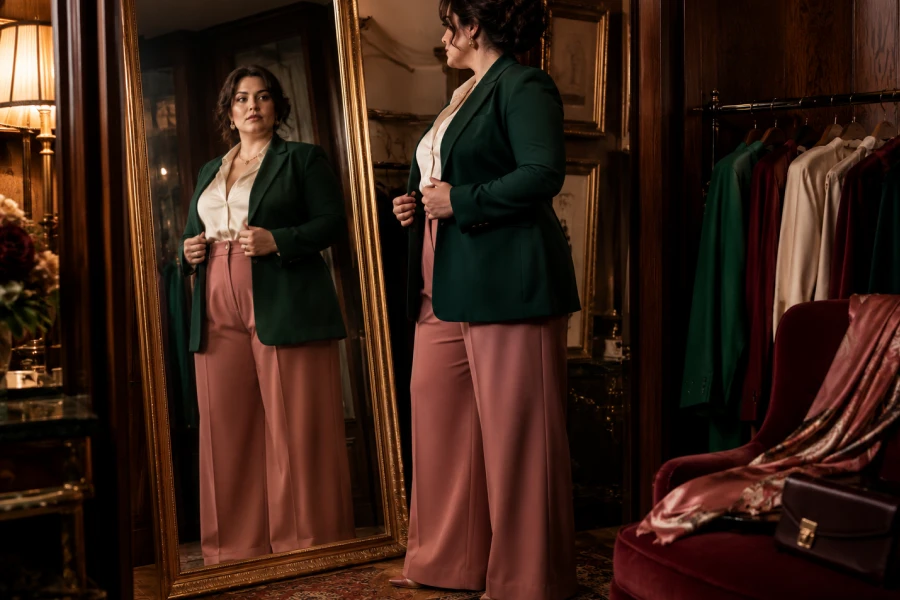
Outfit proportion can make simple clothes look polished or make beautiful pieces feel wrong together. The difference often comes down to length, volume, waist placement, and visual weight. A loose top may need a cleaner bottom. A long coat may need a stronger shoe. A short jacket can shift the whole silhouette. These choices guide the eye. They also change how confident an outfit feels. Outfit proportion matters because clothing is never seen in isolation. Every piece affects the shape around it. When proportion works, style feels instantly more intentional.
Volume is one of the easiest proportions to notice. Wide-leg trousers often need a top with shape. Oversized sweaters may need slimmer pants or a defined hem. A full skirt may work better with a neater jacket. These pairings create balance. A silhouette styling resource helps explain why. You do not need tight clothes to create shape. You need contrast between volume and control. That contrast gives the outfit structure.
Shoes change the entire line of an outfit. A flat sandal creates a different feeling than a pointed boot. A chunky sneaker can ground wide pants. A delicate heel can lighten a long dress. The shoe affects leg length, visual weight, and mood. Ignoring shoes can make a good outfit feel unfinished. Try several pairs before deciding. Small changes can be dramatic. The right shoe often solves the proportion problem immediately.
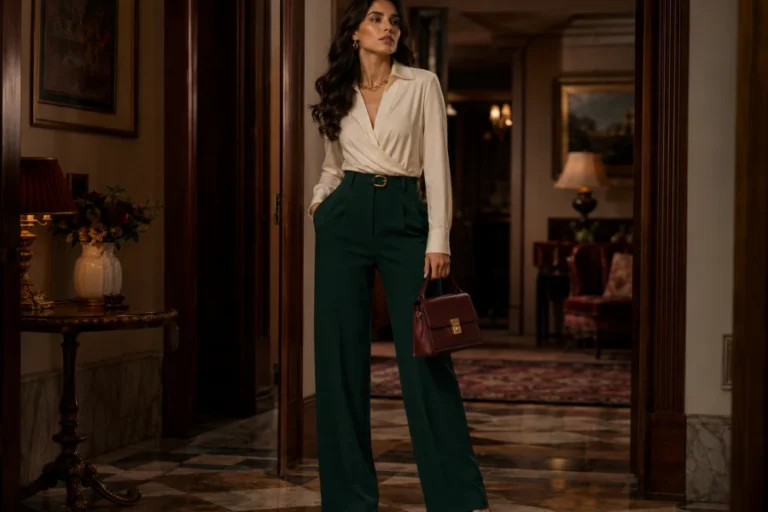
Waist placement changes balance quickly. A high waist can lengthen the leg. A dropped waist can feel relaxed and modern. A tucked top can sharpen soft pieces. An untucked shirt can create ease. A wardrobe proportion planner helps test these options. You can use belts, cropped jackets, or layered tops. The goal is not one perfect formula. It is finding the shape that supports your body and style.
Layers create some of the biggest proportion challenges. A coat can overpower a dress. A cardigan can shorten the torso. A blazer can sharpen soft pants. Length relationships matter. Try keeping one layer clearly longer or shorter than another. Avoid layers that end at awkwardly similar points. This creates cleaner lines. Outerwear should support the outfit beneath it. When it does, the whole look feels planned.
Visual weight comes from color, fabric, size, and detail. Dark boots can feel heavy with pale clothing. A large bag can compete with a delicate dress. Thick knitwear may need stronger shoes. A style composition toolkit helps identify these relationships. Look at the outfit from a distance. Notice whether one area feels too heavy. Then adjust color, accessories, or shape. Balance often comes from one small change.
Experimentation makes proportion easier to understand. Try the same outfit with two shoes. Try the same pants with three different tops. Try a belt, then remove it. Take quick photos to compare results. Your eye will learn faster than memory can. Keep notes about combinations that work. Repeat those formulas with different colors or textures. Over time, proportion becomes intuitive. You will recognize balance before you can fully explain it.

Leave a comment