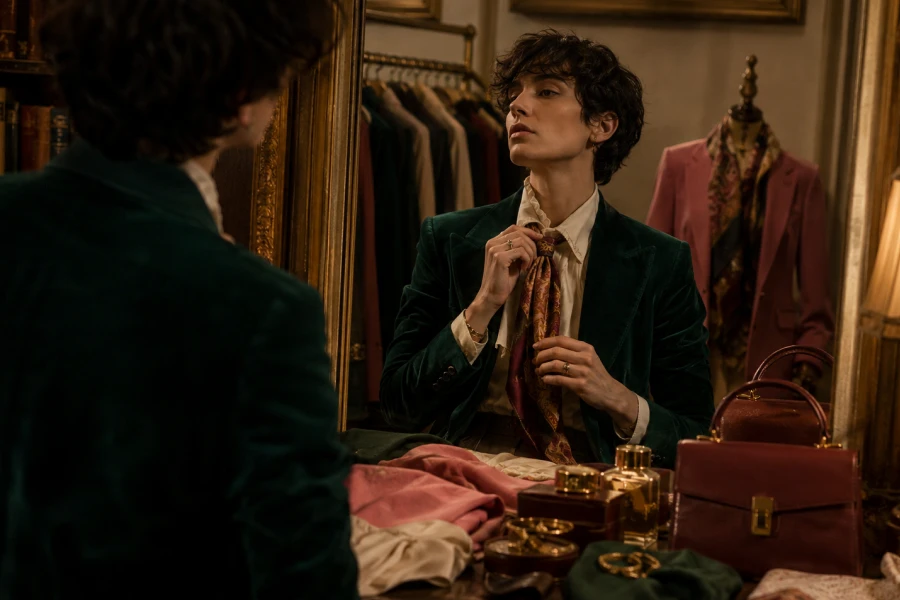
Aesthetic dressing principles help explain why certain outfits feel natural, polished, or memorable. They turn style from guesswork into observation. Instead of asking whether something is fashionable, you ask whether it feels balanced. You notice proportion, color, texture, repetition, and contrast. These elements shape the outfit before brand names matter. They also help you understand your own taste. Aesthetic dressing principles are useful because they do not force one style identity. They help any wardrobe feel more intentional. Once you learn them, getting dressed becomes more instinctive.
Visual order makes outfits easier to read. The eye should understand the main idea quickly. That idea may be a clean silhouette, a rich texture, or a striking color. When too many ideas appear at once, the outfit loses impact. A visual styling framework helps organize those choices. Start with one dominant element. Build supporting pieces around it. Keep the final message clear. Order does not remove creativity. It gives creativity structure.
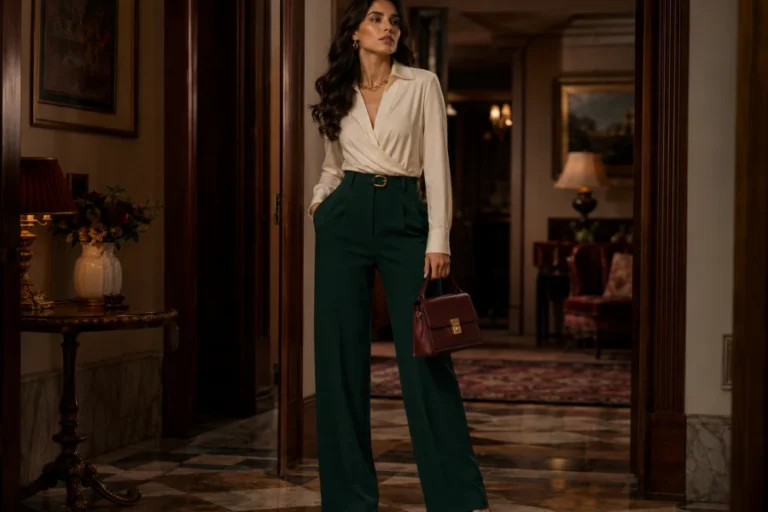
Repetition creates cohesion. A color repeated in shoes and a bag feels deliberate. A curved neckline echoed by rounded earrings feels soft and thoughtful. A sharp blazer paired with pointed shoes feels consistent. These small echoes make outfits feel styled. They also prevent random combinations. Repetition can happen through shape, color, texture, shine, or mood. It does not need to be obvious. Subtle repetition often looks the most elegant.
Contrast keeps outfits alive. Soft and structured pieces can balance each other beautifully. Light and dark tones create visual depth. Matte and shiny textures add sophistication. The challenge is control. Too many contrasts can look scattered. A fashion balance resource helps decide which contrast should lead. Choose one main tension. Let other elements stay quieter. This keeps the outfit interesting but not overwhelming. The result feels intentional.
Shopping improves when you understand visual principles. You stop buying pieces only because they are attractive alone. Instead, you ask how they interact with your wardrobe. Does the color repeat anything you own. Does the shape support your proportions. Does the texture add depth. Does the piece strengthen your preferred mood. These questions prevent wasted purchases. They also make your wardrobe more cohesive. Better buying begins before the checkout page.
Personal style grows from selected repetition. You might repeat relaxed tailoring, warm metals, soft neutrals, or dramatic shoes. Another person might repeat crisp shirts, dark denim, silver jewelry, and sharp lines. Both approaches can work. The key is choosing details that feel honest. A personal style composition method helps identify those details. Once you know them, outfits feel less forced. You begin dressing with a clearer point of view.
Practice turns rules into instinct. Take outfit photos for one week. Study what feels balanced. Notice where the eye travels first. Identify what feels too heavy, too plain, or too busy. Make small changes instead of replacing everything. Try different shoes, jewelry, sleeves, or layers. These experiments teach quickly. Soon, you will adjust outfits without overthinking. Style becomes easier because your eye becomes trained.


Leave a comment