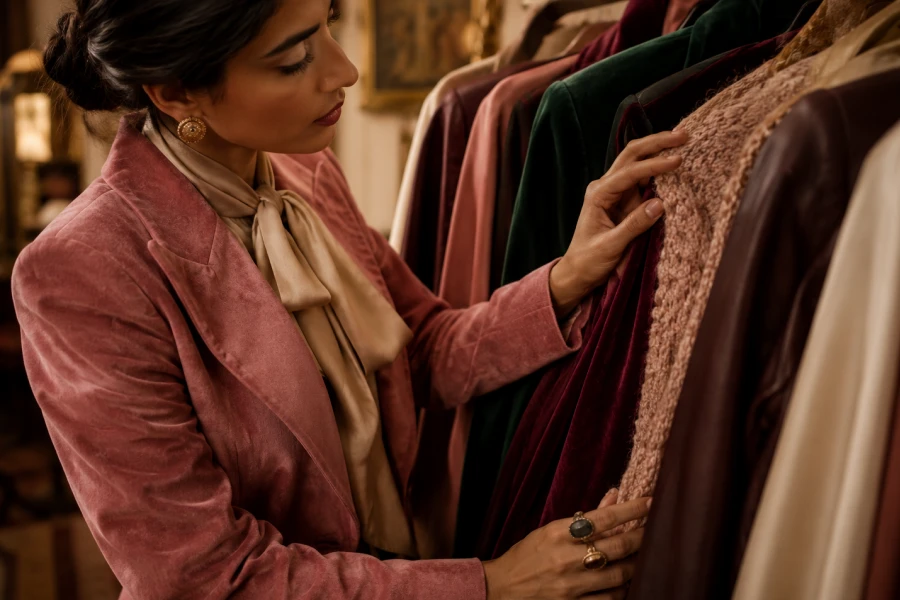
Color and texture in fashion shape the emotional message of an outfit before anyone notices the details. A cream knit feels different from a black satin blouse. Washed denim feels different from tailored wool. These choices affect softness, sharpness, warmth, elegance, and ease. They can make an outfit feel relaxed or refined. They can also make simple pieces look expensive. The key is intention. Color and texture in fashion should work together instead of competing. When they connect, the outfit feels deeper, richer, and more expressive.
Mood gives styling direction. Decide whether the outfit should feel polished, relaxed, romantic, modern, or bold. Then choose colors and materials that support that feeling. A soft palette with brushed textures feels gentle. Dark tones with smooth finishes feel sharper. A fashion mood system helps translate feeling into visible choices. This prevents random combinations. It also makes styling more satisfying. Clothes start communicating clearly. The outfit feels like a complete idea.
Contrast creates interest. Without it, outfits can look flat. A silk skirt becomes more wearable with a knit. Denim feels more elevated with leather. Linen looks richer beside polished metal. Contrast also helps separate pieces visually. Too much sameness can blur the outfit. Too much contrast can feel chaotic. The best result sits between those extremes. Each texture should add something. Each color should support the whole composition.
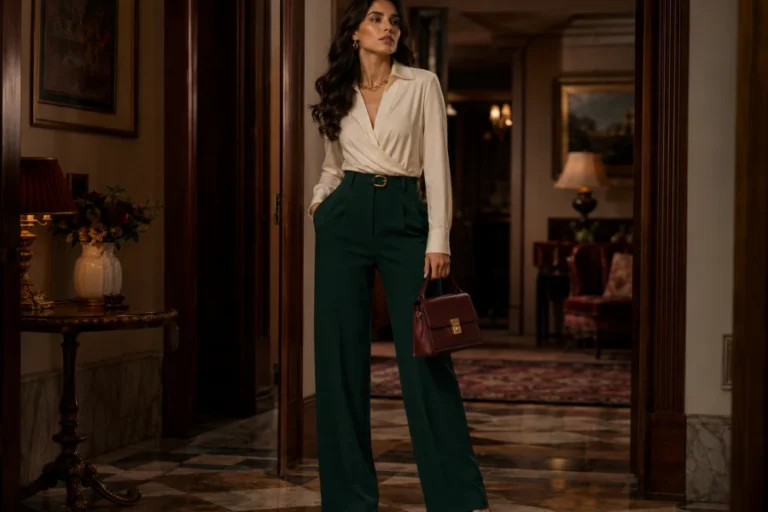
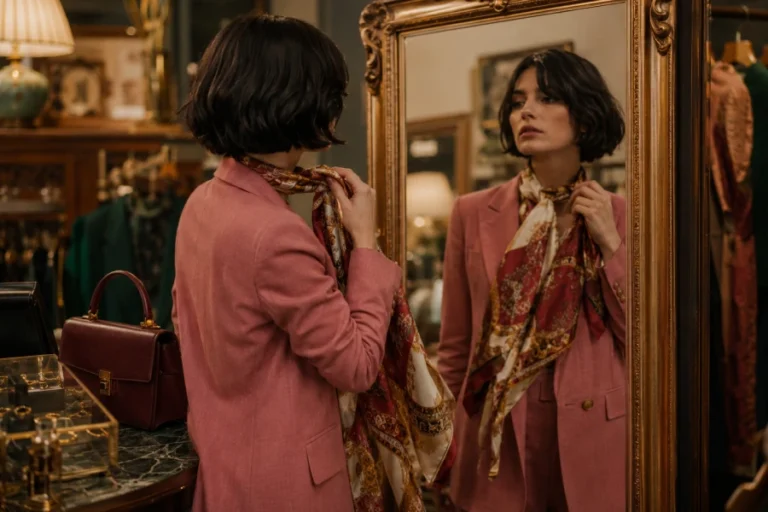
Expensive-looking palettes are often controlled. They use fewer colors with better relationships. Cream, camel, chocolate, and gold create warmth. Black, white, charcoal, and silver create sharpness. Navy, denim, ivory, and tan feel classic. A color harmony planner helps identify combinations that suit your wardrobe. Repetition is important. One accent color can appear in shoes or accessories. A neutral base can hold everything together. This creates cohesion without feeling plain.
Everyday outfits benefit most from subtle texture. A ribbed tank looks more intentional than a flat one. A woven bag adds warmth to simple denim. A suede shoe softens sharp trousers. A crisp shirt gives relaxed pants more structure. These details make basics feel styled. They do not require complicated layers. They simply add dimension. That dimension keeps outfits interesting. Daily dressing becomes more creative without becoming difficult.
Some outfits need restraint. If the fabric has strong texture, the color can stay quiet. If the color is bold, the fabric can stay simple. This trade-off keeps the look balanced. A style balance toolkit helps train this judgment. Step back before adding more. Notice the loudest element. Let it lead. Remove anything that competes unnecessarily. Simple editing often makes the outfit feel more refined.
Color and texture in fashion give every outfit a clearer emotional direction. A soft knit can make tailoring feel relaxed. A satin blouse can bring elegance to simple trousers. Deep green, cream, burgundy, blush, and gold can create a rich visual mood. Texture adds depth when color stays quiet. Color adds energy when texture stays simple. The strongest outfits usually use both with intention. Notice which fabrics make you feel confident. Notice which tones make your wardrobe easier to style. With practice, color and texture in fashion become natural tools for creating outfits that feel expressive, balanced, and unmistakably yours.

Leave a comment